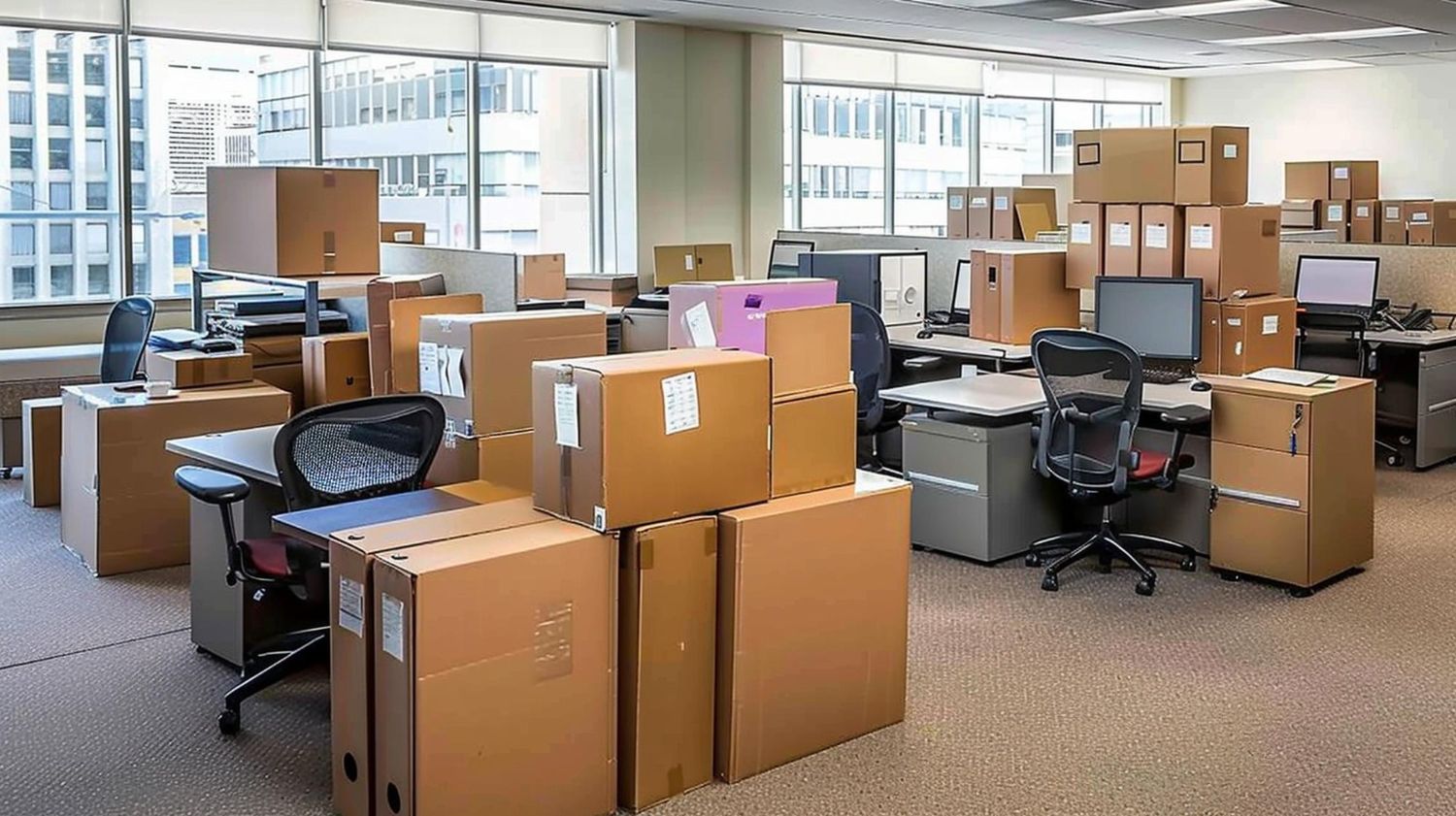
What Really Happens When You Move Appliances Without the Pros?
Home appliances are some of the heaviest, bulkiest, and most expensive items in any home. When moving day arrives, it’s tempting to think a little muscle and a couple of friends can get them to your new place without too much trouble. At SERNA ELITE Movers, we’ve watched that gamble go wrong more times than most realize—resulting in damaged floors, broken equipment, and even injuries that turn a new chapter into a headache.
The hazards of DIY appliance moving aren’t just urban legends. With the wrong approach, what seems like a way to save money can fast become a repair bill or even an insurance claim. If you’re on the fence about how to handle your fridge, washer, dryer, or stove during your next move, read on for real context, professional solutions, and a reality check on what really happens when you skip the experts.
What We Cover:
1. The Hidden Dangers of Moving Appliances Yourself
2. What Professional Movers Know (That Most Don’t)
3. Why DIY Strategies Often Make It Worse
4. Safeguarding Your Appliances—and Your Wallet
5. Frequently Asked Questions
The Hidden Dangers of Moving Appliances Yourself
It’s easy to underestimate how much risk comes with shifting heavy appliances out of their nook. Most are awkwardly shaped, difficult to grip, and contain delicate parts that aren’t built for bumps or tilting. A washing machine’s drum can come loose if jostled; a fridge can leak coolant or lose efficiency if tipped the wrong way. One wrong move can scratch floors, damage door frames, or snap off water lines and vents in a split second.
Property damage isn’t the only risk. Homeowners and helpers lifting refrigerators or ranges without dollies or experience can end up with back injuries or pinched fingers. Atlanta’s houses—often built with narrow doorways or tight staircases—make the challenge even greater.
→ From a professional standpoint: Most appliance damage happens before the truck even leaves the driveway.
What Professional Movers Know (That Most Don’t)
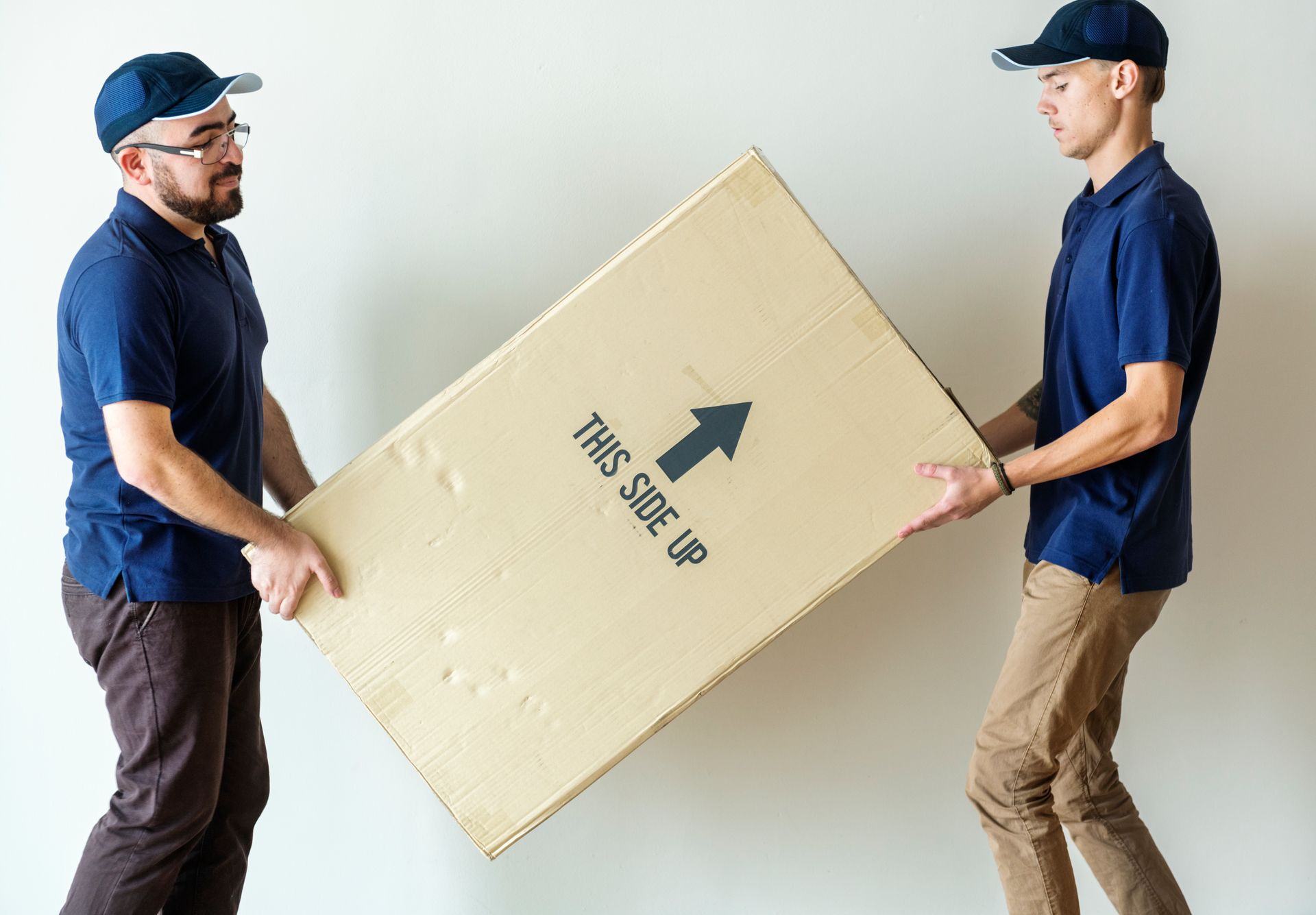
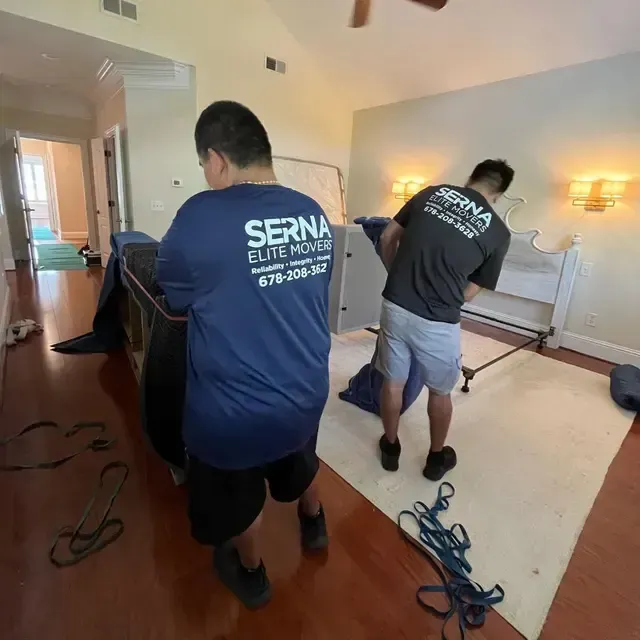
Movers look at appliances and see specific safety concerns and steps: disconnecting power safely, protecting surrounds, and taping or padding doors to prevent swinging. They bring dollies with rubber wheels, sturdy lifting straps, furniture sliders, and floor guards.
In homes with delicate flooring or tight corners, pros plan the route in advance, sometimes removing doors or railings. Any unsteady appliance gets stabilized with extra straps—not just so it arrives in one piece, but so it doesn’t topple onto someone during transit. Movers also know how to keep hoses and cords secured, preventing water leaks or shock hazards during transport.
→ A quick tip to remember: The equipment and prep pros use are designed to prevent the most common and costly damage in appliance moves.
Why DIY Strategies Often Make It Worse
The internet is full of videos showing quick ways to “hack” appliance moves, but shortcuts rarely pay off. Most DIY attempts involve trying to push heavy units across the floor or muscle them onto a dolly without the right leverage. This is when floorboards get gouged, units tip, or fragile parts snap.
Without insurance, if your appliance is damaged in a DIY move, every repair is out-of-pocket. We often see water lines torn from walls, gas lines stretched, or scratches left in hardwood that cost more to fix than hiring movers in the first place.
In the field, we’ve found that many homeowners have learned the hard way—the time, mess, and expense of one mistake turns a “cheap” move into the costliest part of the whole process.
Safeguarding Your Appliances—and Your Wallet
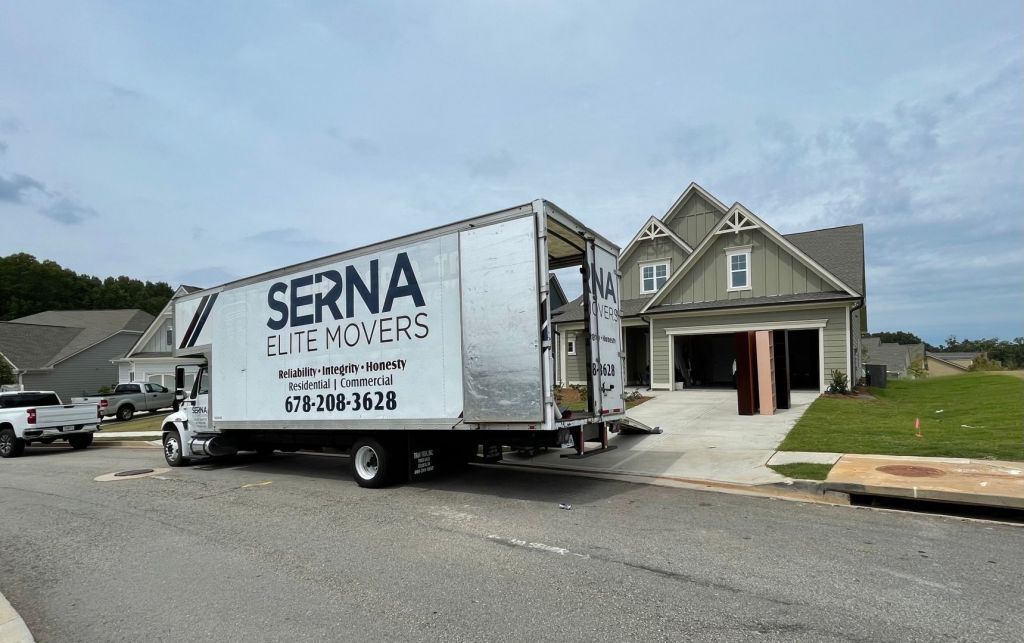
Smart moves start with preparation: measuring every hallway and stair, planning the right route, and assembling quality materials. SERNA ELITE Movers always inspects and preps appliances for safe transit, using proven techniques to prevent dings or leaks. Local knowledge is key—Atlanta layouts and weather sometimes throw surprises, especially with big items navigated around corners or up hilly driveways.
When you trust experienced movers, your appliances are covered by insurance and protected with proper disconnection, wrapping, and handling. That saves your wallet from unexpected repair or replacement costs.
Frequently Asked Questions
What appliances are the hardest to move safely?
Refrigerators, front-loading washers, gas ranges, and deep freezers are among the most challenging. These units are both heavy and contain moving or sensitive parts. Special care is required to stabilize, disconnect, and protect these items from the house all the way to the moving truck.
Can moving appliances without help void warranties?
Yes. Many appliance manufacturers specify that improper moving—especially if the appliance is dropped or transported on its side—can nullify your warranty. If you need a future repair, you may be left unprotected by the manufacturer.
What’s the biggest mistake people make when moving appliances themselves?
Misjudging weight and size is the most common error. People often forget to measure doorways, assume a team lift is “enough,” or ignore the need for weather protection and padding. Proper equipment and careful planning are essential for every step.
Move Forward With Safety and Reliability in Mind
Cutting corners with appliance moving often leads to more risk and expense than you bargain for. Protect your home, save your back, and preserve your expensive appliances by choosing trained professionals who plan for everything. When it’s time to move, SERNA ELITE Movers is ready to handle your biggest challenges so you can focus on settling in—not fixing what went wrong.
Share This Blog